
For years, the multifamily growth playbook was acquisition: more leads, more tours, and more move-ins. That math still matters, but with turnover costs climbing and occupancy under real pressure, the smarter operators have shifted the question... It's no longer just how do we fill the unit? It's how do we keep the resident we already have? That's a resident experience question, and it sits at the heart of resident retention.
A renewal is the cheapest "new" lease you'll ever sign. No marketing spend, no tour, no turn cost, and importantly, no vacancy gap. Amenities are great but often the deciding factor in a renewal is: when they needed assistance, did they get it? And what was the experience like?
Renewals are won in the unglamorous moments
Nobody re-signs a twelve-month lease because of a branded tote bag. They renew because of the accumulation of small moments where the property either showed up or didn't.
Think about the garbage disposal that broke on a Sunday and got handled seamlessly. Or the 2am question that got a real answer. Each of those is a tiny deposit in the trust account. Enough deposits, and the renewal is only a formality.
The opposite is just as true, and quieter. A resident calls, reaches voicemail, and never hears back…ever. They don’t bother to complain. They just stop expecting a response. By renewal time, they’ve already started imagining what life could be like somewhere different.
Residents who feel heard renew. Residents who can't reach anyone don't. The whole retention game lives in that gap.
Resident experience is almost always a communication gap
Here's the trap: most teams aren't ignoring residents. They're just drowning in calls. Imagine the phone ringing during a tour or a maintenance request coming in at 11pm. The same five questions eat up every morning, so the callback from yesterday never happens. None of it is negligence. It's just about capacity. But the resident on the other end just hears the silence.
That's why retention is, more often than operators realize, a communication problem wearing a different label.
Where the story changes: every call gets a path
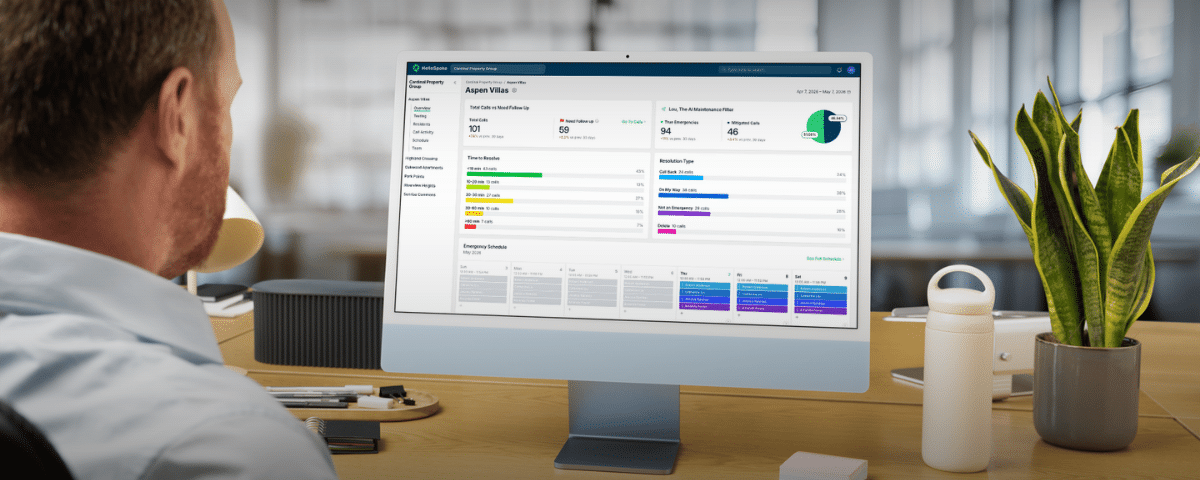
This is exactly where HelloSpoke Assist lives. When a resident calls and no one on the team can pick up, Lou, HelloSpoke's conversational AI, answers. Instead of a voicemail or a long (usually terrible) phone option menu, Lou has a real conversation that gets them where they need to go.
Lou answers the property question, captures the maintenance issue, opens the work order with the right details, and sends the link they asked for, in over 75 languages, at any hour. The resident hangs after being helped, not ignored or shuffled off.
And it's consistent, which is the part that compounds. It’s the same dependable experience whether it's a prospect asking about a 2-bedroom at lunchtime or a resident with a 2am maintenance issue. That consistency across the entire resident journey, from first leasing inquiry to the third renewal, is what builds the kind of trust that shows up on your renewal report.
Retention is built before renewal season, not during it
By the time you're sending the renewal offer, the decision is mostly made. It was made across a year of moments where the resident either felt heard or didn't. You can't win that back with a rate concession in month eleven.
So the highest-leverage retention move isn't a better renewal letter. It's making sure that every time a resident reaches out, at any hour, in any language, about anything, someone (or something that works exactly like your best someone) is there to give them a path forward.
Fill the units, yes. But keep the residents you worked hard to get. That's where the margin is.
Want to see what "every call gets a path" looks like for your residents? Book a demo and we'll show you Lou in action.